
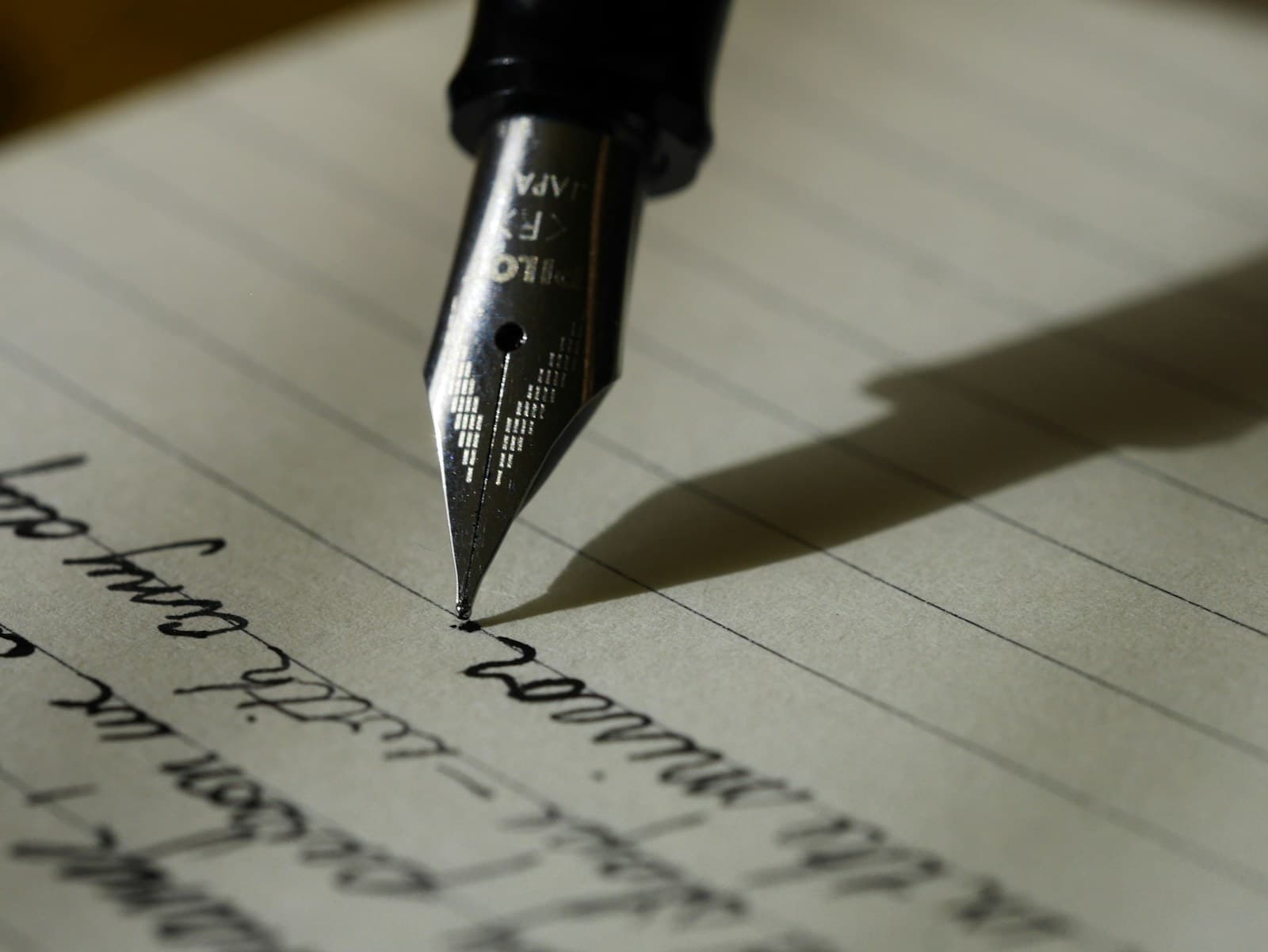
For a long time, most of my writing lived in places where nobody could disagree with it. It sat in half-filled notebooks, unsent drafts, and documents named final-final-two. I told myself I was preparing. Often, I was hiding.
Writing privately can help an idea become clear. But private work also lets you postpone the moment when the idea must stand on its own. I decided to write publicly because I wanted that moment to arrive more often.
Private practice stopped being enough
I have always used writing to understand what I think. A difficult topic becomes less intimidating once I can name its parts, arrange them, and explain the relationship between them. The page gives uncertainty somewhere to go.
Eventually, though, I noticed that I was practising the beginning of writing and avoiding the end. A finished piece needs an audience. It needs editing, context, and the courage to say: this is the clearest version I can make today.
Publishing creates a useful kind of pressure
When other people might read the work, vague claims become harder to tolerate. I check the source again. I ask whether an example actually explains the idea. I remove the sentence that sounds impressive but does no useful work.
That pressure is not about performing certainty. It is about respecting a reader’s time. Public writing asks me to separate what I know, what I believe, and what I still need to investigate.

This blog is a record of attention
I am interested in technology, but not as a parade of devices and announcements. I want to understand what technology asks of ordinary people: what it makes easier, what it hides, who it includes, and what happens when its language becomes more complicated than its value.
Some pieces here will explain technical ideas. Others will examine products, internet culture, work, and the particular realities of using global technology from Africa. The subjects will vary; the commitment to clarity will not.
What I owe the person on the other side
A public piece creates a small relationship between a writer and someone they may never meet. I cannot know where a reader is sitting, what they already understand, or which sentence they will carry away. I can still make promises about the work: that a claim will not be made stronger than its evidence, that jargon will not be used as a hiding place, and that complexity will be explained without treating the reader as simple.
That does not mean every article must arrive at a clean answer. Some subjects resist certainty. In those cases, honesty means showing the edges of the question and naming what remains unresolved. Clarity is not the removal of ambiguity; sometimes it is the careful description of where ambiguity lives.
This is the standard I want the archive to reveal over time. Not perfection, and not a stream of opinions published for their own sake, but a body of work that pays attention long enough to become useful.
I am not publishing because every idea is finished. I am publishing because serious ideas become stronger when they leave the safety of the draft.
Back to all writing